
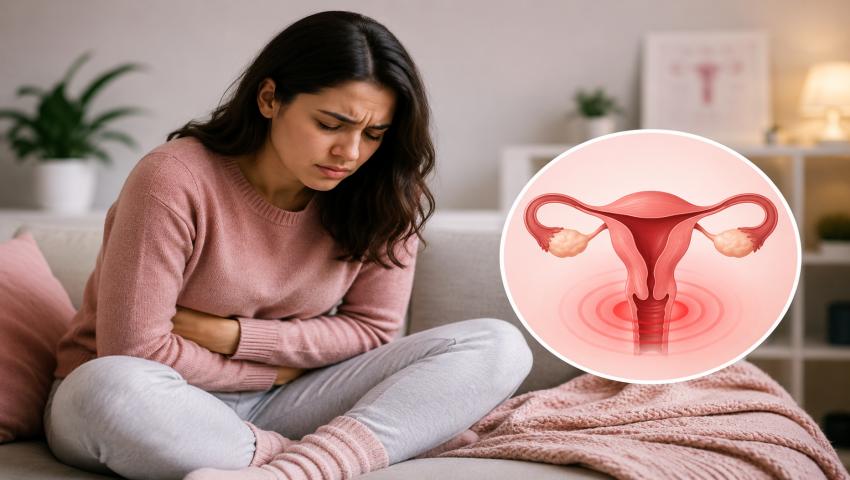
Periods are a normal part of a woman’s life, but they should not stop you from living your life. Many women experience cramps during menstruation, yet severe pain that interferes with work, studies or daily activities may be a sign of an underlying health condition.
If you have ever wondered, “Why are my periods so painful?” or “Is severe period pain normal?”, you are not alone. Understanding the difference between normal menstrual cramps and severe period pain can help you seek timely care and improve your quality of life.
At Goodfaith Healthcare: Dr (Surg cdr) Gargi Tripathi, Gynecologist in Hinjewadi High Risk Pregnancy & Infertility Specialist, women receive expert care for painful periods, menstrual disorders, endometriosis, fibroids, infertility, and high-risk pregnancies.
What Are Painful Periods?
Painful periods are medically known as dysmenorrhea. They refer to cramping pain in the lower abdomen that occurs before or during menstruation.
The pain may:
- Start 1–2 days before periods
- Continue for 1–3 days
- Be mild, moderate or severe
- Spread to the lower back and thighs
- Be accompanied by nausea, fatigue or headaches
While mild discomfort is common, severe menstrual cramps that affect your routine are not something you should ignore.
What Is Dysmenorrhea?
Dysmenorrhea means painful menstruation.
There are two types:
1️⃣ Primary Dysmenorrhea:
Primary dysmenorrhea refers to period pain that is not caused by any underlying disease.
It usually:
- Starts during teenage years
- Occurs due to the release of prostaglandins that make the uterus contract
- Improves with age or after childbirth
- Causes cramping pain during the first few days of periods
2️⃣ Secondary Dysmenorrhea:
Secondary dysmenorrhea occurs because of an underlying medical condition.
Common causes include:
- Endometriosis
- Uterine fibroids
- Adenomyosis
- Pelvic inflammatory disease (PID)
- Ovarian cysts
Secondary dysmenorrhea often develops later in life and may worsen over time.
Is Severe Period Pain Normal?
This is one of the most common questions women ask. Mild to moderate cramps are common. However, severe pain that disrupts your daily life is not considered normal.
Normal Menstrual Cramps
- Mild to moderate pain
- Lasts 1–2 days
- Improves with rest or pain medicines
- Does not interfere with work or school
Severe Period Pain
- Intense pain every month
- Pain that keeps getting worse
- Heavy bleeding with clots
- Missing work or social activities
- Pain during sex
- Difficulty getting pregnant
- Little relief from medicines
If you experience these symptoms, it is important to consult a gynecologist for evaluation.
When Is Period Pain Not Normal?
You should not ignore period pain if:
The pain suddenly becomes severe
- Painkillers are no longer effective
- You have heavy bleeding every month
- You experience pain between periods
- Periods are becoming increasingly painful
- You have pain during intercourse
- You are facing fertility issues
Persistent or worsening pain may indicate conditions such as endometriosis, fibroids, or adenomyosis.
What Causes Painful Periods?
There are many painful periods, ranging from hormonal changes to gynecological conditions.
1. Endometriosis:
Endometriosis occurs when tissue similar to the uterine lining grows outside the uterus.
Symptoms include:
- Severe period cramps
- Pain during sex
- Heavy bleeding
- Chronic pelvic pain
- Infertility
Painful periods and endometriosis are closely linked. In fact, endometriosis is one of the leading causes of secondary dysmenorrhea.
2. Uterine Fibroids:
Fibroids are non-cancerous growths in the uterus.
They can cause:
- Heavy menstrual bleeding
- Pelvic pressure
- Painful menstrual cramps
- Frequent urination
- Difficulty conceiving
Many women ask, “Can fibroids cause painful periods?”
Yes. Depending on their size and location, fibroids can cause severe cramps and heavy periods.
3. Adenomyosis:
Adenomyosis occurs when the inner lining of the uterus grows into the muscular wall.
Common symptoms include:
- Severe menstrual cramps
- Heavy bleeding
- Enlarged uterus
- Pelvic pain
4. Pelvic Inflammatory Disease (PID):
PID is an infection of the female reproductive organs.
Symptoms include:
- Pelvic pain
- Fever
- Pain during periods
- Pain during intercourse
- Abnormal vaginal discharge
Ovarian Cysts:
Certain ovarian cysts can cause:
- Painful periods
- Pelvic pain
- Bloating
- Irregular periods
Why Are My Period Cramps Getting Worse?
If your cramps have become more painful over time, there may be an underlying reason.
Common causes include:
- Endometriosis
- Fibroids
- Adenomyosis
- Hormonal imbalance
- Pelvic infections
Many women assume worsening cramps are normal with age, but this is not always true.
If you are asking:
“Why are my period cramps getting worse?”
It is best to seek a gynecological evaluation.
Common symptoms of severe period pain include:
- Intense cramping in the lower abdomen
- Lower back pain
- Pain radiating to thighs
- Heavy menstrual bleeding
- Nausea and vomiting
- Diarrhea
- Headaches
- Fatigue
- Dizziness
- Pain during intercourse
Painful periods with heavy bleeding should always be evaluated, especially if symptoms are affecting your quality of life.
Painful Periods and Endometriosis:
One of the biggest misconceptions is that severe period pain is “normal.”
- For women with endometriosis, pain can be:
- Severe and debilitating
- Present before periods begin
- Persistent throughout menstruation
- Associated with infertility
Early diagnosis is important because untreated endometriosis can affect fertility and quality of life. If severe cramps are accompanied by pelvic pain or difficulty conceiving, discuss endometriosis with your gynecologist.
Can Painful Periods Affect Fertility?
Yes. Conditions causing secondary dysmenorrhea may also affect fertility.
Examples include:
Endometriosis Can:
- Damage reproductive organs
- Affect egg quality
- Reduce chances of conception
Fibroids Can:
- Distort the uterus
- Affect implantation
- Increase the risk of miscarriage
Adenomyosis May:
- Affect embryo implantation
- Cause infertility in some women
Early diagnosis and treatment can improve reproductive outcomes.
When Should You See a Doctor for Period Pain?
Many women delay seeking help because they believe severe pain is normal.
You should see a doctor if:
- Pain interferes with work or studies
- Period pain is worsening every month
- Over-the-counter medicines do not help
- Bleeding is unusually heavy
- You have pain during intercourse
- You are trying to conceive
- You have pelvic pain between periods
If you are searching for period pain treatment in Hinjewadi or a gynecologist for painful periods in Hinjewadi, early consultation can help identify the underlying cause and provide relief.
How Are Painful Periods Diagnosed?
Diagnosis begins with understanding your symptoms and menstrual history.
Your gynecologist may recommend:
Medical History
Questions about:
- Menstrual cycle
- Severity of pain
- Bleeding pattern
- Fertility history
- Family history
Pelvic Examination To check for:
- Tenderness
- Enlarged uterus
- Pelvic masses
Ultrasound
Ultrasound helps detect:
- Fibroids
- Ovarian cysts
- Adenomyosis
Blood Tests
May be advised to:
- Check hormone levels
- Assess anemia
- Rule out infections
MRI
Used in selected cases for detailed evaluation.
Laparoscopy
A minimally invasive procedure that may be used to diagnose endometriosis.
How to Stop Period Cramps?
Many women search for how to stop period cramps. Relief depends on the cause, but the following may help.
- Home Remedies
- Use a heating pad
- Exercise regularly
- Maintain a healthy diet
- Stay hydrated
- Get adequate sleep
- Reduce stress
Medicines
Your doctor may prescribe:
- Anti-inflammatory medicines (NSAIDs)
- Hormonal pills
- Hormonal intrauterine devices
- Other medications depending on the diagnosis
Treatment of Underlying Conditions:
If severe menstrual cramps are caused by:
- Endometriosis → hormonal therapy or surgery
- Fibroids → medicines or fibroid treatment
- Adenomyosis → hormonal treatment or surgery
- Ovarian cysts → observation or surgical management
Treatment is always individualised according to symptoms, age and future pregnancy plans.
Period Pain Treatment in Hinjewadi:
If painful periods are affecting your daily life, expert evaluation is important.
At Goodfaith Healthcare: Dr (Surg cdr) Gargi Tripathi | Gynecologist in Hinjewadi | High Risk Pregnancy & Infertility Specialist, women receive comprehensive care for:
- Painful periods
- Severe menstrual cramps
- Endometriosis treatment in Hinjewadi
- Fibroid treatment in Hinjewadi
- Heavy menstrual bleeding
- Infertility evaluation
- High-risk pregnancy care
Dr. Gargi Tripathi focuses on accurate diagnosis, evidence-based treatment, and personalised care tailored to each patient’s needs.
Frequently Asked Questions:
Painful periods, or dysmenorrhea, are cramps and pelvic pain that occur before or during menstruation. The pain may range from mild to severe.
No. Mild cramps are common, but severe pain that disrupts daily activities should be evaluated by a gynecologist.
Common causes include primary dysmenorrhea, endometriosis, uterine fibroids, adenomyosis, ovarian cysts, and pelvic inflammatory disease.
Yes. Endometriosis is one of the most common causes of severe menstrual cramps and chronic pelvic pain.
Yes. Fibroids can lead to heavy bleeding, pelvic pressure, and painful menstrual cramps.
Unbearable pain may be caused by conditions such as endometriosis, fibroids, adenomyosis, or infections. Medical evaluation is recommended.
Treatment may include lifestyle changes, medications, hormonal therapy, or treatment of the underlying condition causing the pain.
You should consult a doctor if pain is severe, worsening, associated with heavy bleeding, or affecting your quality of life.
Conclusion:
Painful periods are common, but severe period pain is not something you should simply tolerate. If cramps are becoming more intense, lasting longer, or interfering with your everyday life, there may be an underlying cause that needs attention.
The good news is that most causes of painful periods can be diagnosed and treated effectively. Seeking help early can improve your health, fertility, and overall well-being.
If you are looking for a women’s health specialist in Hinjewadi, period pain treatment in Hinjewadi, or the best gynecologist for period pain in Hinjewadi, consult Goodfaith Healthcare: Dr (Surg cdr) Gargi Tripathi | Gynecologist in Hinjewadi | High Risk Pregnancy & Infertility Specialist for expert and compassionate care.